virtual or in-person

Learning disabilities tutoring
A learning disability doesn't mean your child can't learn; it means they learn in a different way and need teaching that fits. Choose a certified teacher who can work one-on-one from your child's strengths, assessment and IEP. Online, at your home or at a public library.


You choose the tutor







550+ certified, background-checked educators

Every tutor is a certified teacher

255+ specialists for IEPs, ADHD, ASD and Dyslexia

Online, in person, or at your local library

Kindergarten to Grade 12

Trusted by families across Canada

ESL and FSL support
550+ certified, background-checked educators
Every tutor is a certified teacher
255+ specialists for IEPs, ADHD, ASD and Dyslexia
Online, in person, or at your local library
Kindergarten to Grade 12
Trusted by families across Canada
ESL and FSL support
Only a psychologist or psychological associate can diagnose a learning disability, through a psychoeducational assessment. These are signs parents often notice first, and a tutor can help with or without a diagnosis.

Your child explains ideas well out loud, yet tests and written work come back far below what you know they understand.

Months of homework help and practice later, the same reading, writing or math problems are still there at report card time.

Reading, spelling, handwriting or numbers stay stubbornly hard, even though your child keeps up in other areas.

Your child has started calling themselves dumb, avoids schoolwork and gives up before trying, because school feels harder than for friends.


Not sure where to start?
Talk to your family doctor, pediatrician or your child's teacher. These Canadian organizations explain the signs and how to work with your child's school:
A tutor doesn't diagnose or replace the school's plan. Look for one who uses what the assessment says about how your child learns, teaches the hard skill in small, explicit steps, and builds on your child's strengths along the way.
A psychoeducational report can run many pages, and its recommendations are not always easy to use at home. If your child has one, share it and ask the tutor to turn its strengths, needs and recommendations into small, practical steps. No report yet? Start from what you see.
More of the same practice often doesn't help a child with a learning disability. Look for a tutor who teaches reading, writing, math or organization explicitly, one step at a time, with plenty of review. Tell the tutor which skill is hardest, so the work matches the area of need.
Your child may have accommodations on paper but feel awkward using them in class. A tutor can practise with what the IEP lists, like extra time, text-to-speech, graphic organizers or a calculator. You can also ask them to help your child get comfortable asking teachers for support.
Confidence often takes the biggest hit, and your child may start calling themselves bad at school. A tutor can build lessons around a child's interests and strengths and notice small wins out loud. Tell the tutor what your child is good at, so lessons can start there.
Wherever your child focuses best: online, at your home, or in a quiet study room at a public library.
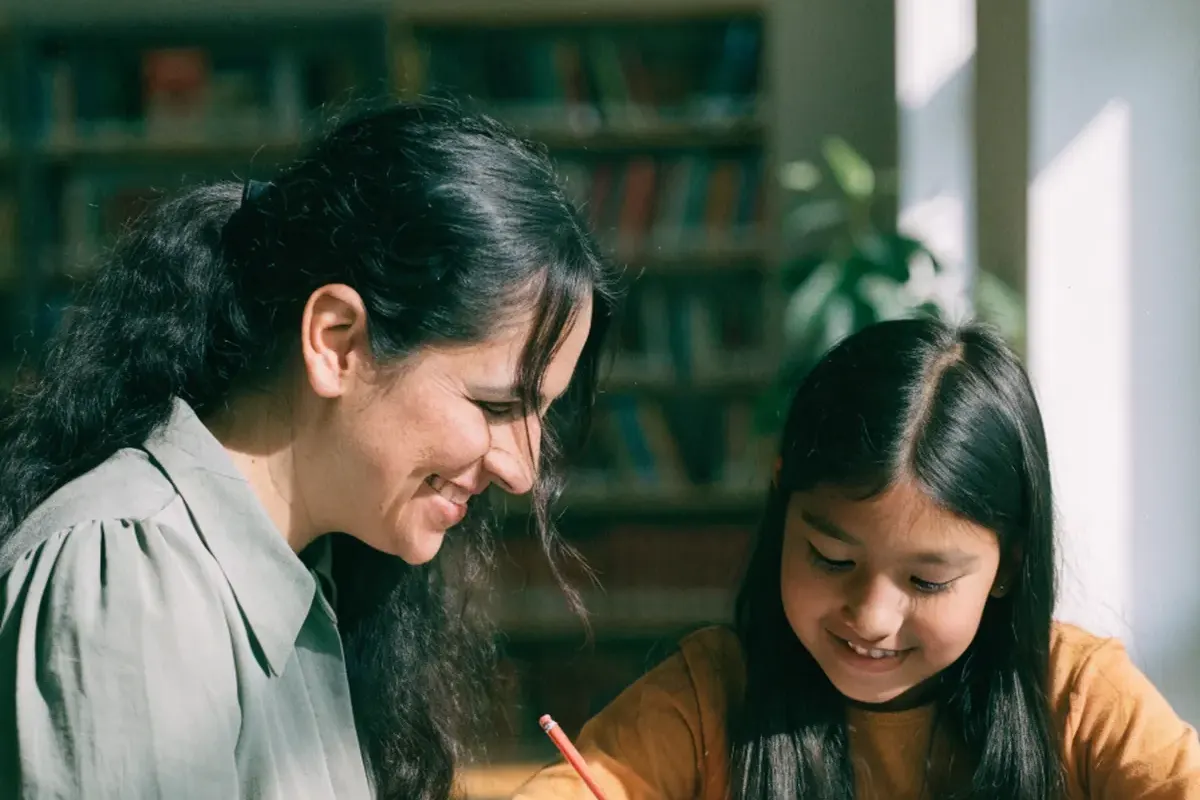
A quiet study room gives structure without the distractions of home. Meet in an open study area or a booked room.
Find a tutor near you
Online lessons work anywhere with no travel time. For lessons at home, we match you with a certified tutor who lives nearby.
Find your tutorSign up for free, add learning disability support and the hardest subject to your child's needs, and choose a certified teacher with special education experience.

550+
Certified, background-checked educators, virtually or in person
255+
Specialists in ADHD, ASD, IEPs, dyslexia and other special education needs
3 ways
Learn online, at home, or at your local library, on your budget and schedule

Mom-led
Founded by a mom and teacher, trusted by families across Canada
Signing up is free. Each certified teacher sets their own rate, and you see it before you book.



Want the full picture? Read how much tutoring costs in Canada.
Early on the focus is on core reading, writing and math skills; later it shifts to accommodations, study strategies and speaking up for what your child needs.
Sign Up for Free & Find Your TutorFree to sign up. Online, at your home or at a public library.
Most learning disabilities are identified by about Grade 3, so help often starts before any label, with core skills taught step by step.
Reading and writing reach every subject, so the work adds strategies, tools and accommodations alongside the skills that are still growing.
Heavier reading, essays and tests, with help on study routines, using accommodations on assignments and explaining needs to each teacher.
A learning disability is lifelong, so the focus becomes strategies, self-advocacy and accommodations for college, university, an apprenticeship or work.
 You set the budget
 Times that suit youOnline, home or libraryMatched to learning needs
We were started by a mom and a teacher who wanted finding a great tutor to be simple, safe and affordable. Today we help families across Canada do just that.
Certified teachers, registered ECEs and other qualified educators, each reviewed before they tutor.
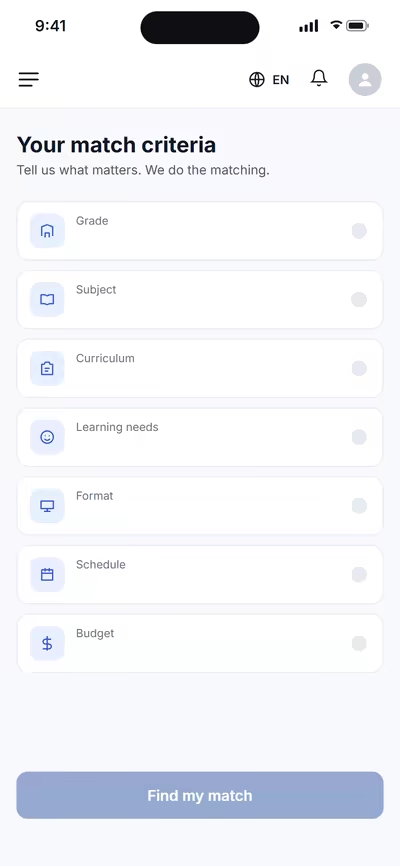
Share the grade, subject, curriculum, learning needs and schedule, and we show you teachers who fit.

Teachers set their rates and you pick one that fits your budget. You only pay for the lessons you book.
Choose online lessons, home visits or your local public library. Message your teacher and see every lesson in one app.
Certified teachers, including retired classroom teachers and ESL and FSL specialists.

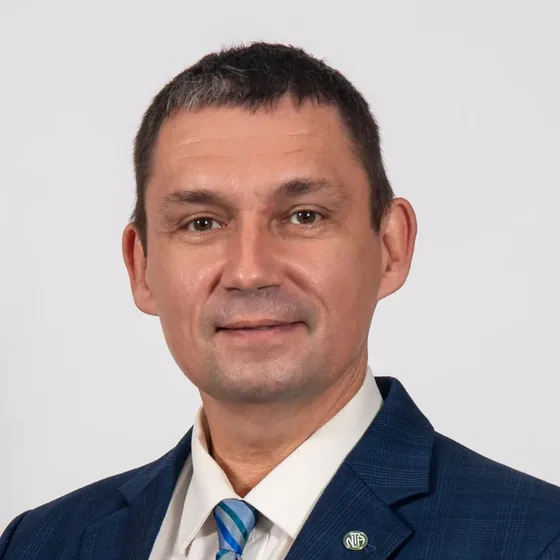
 Certified teacher
Reading, writing and geography, grades 3 to 12.
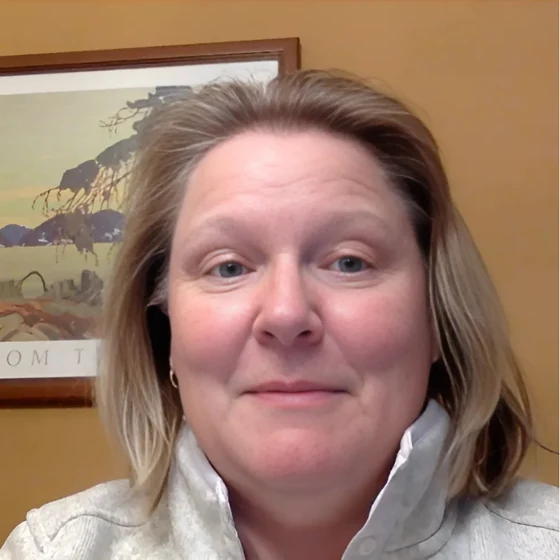
Connect with Neil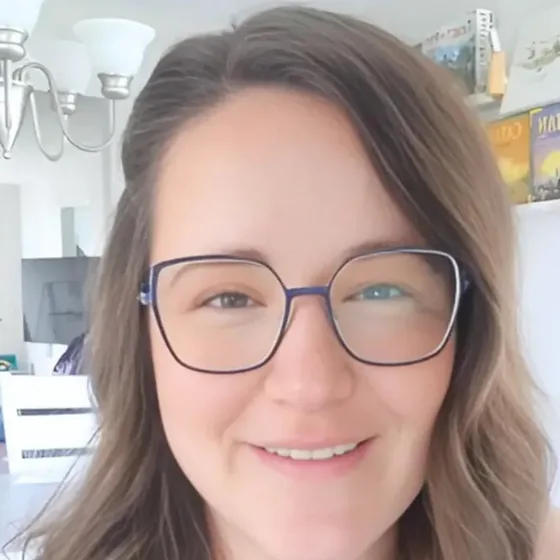 Certified teacher
Reading, writing and science, K to grade 8. ADHD, autism, learning disabilities and IEPs.
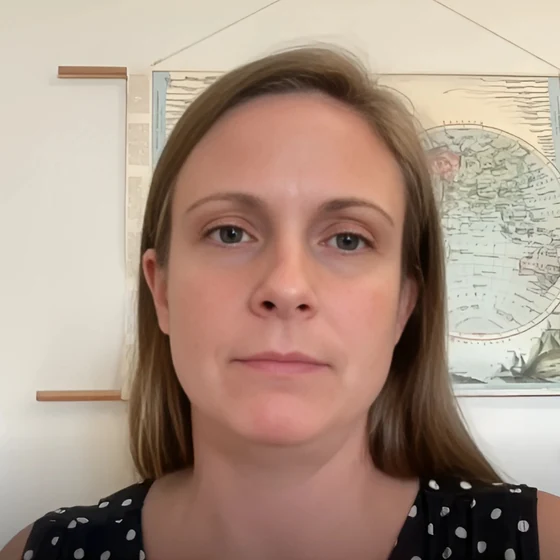
Connect with Anna Certified teacher
Elementary teacher for Grades 1 to 6, helping kids get stronger and more confident in math, reading and writing.
Connect with Rob Certified teacher
Science, math and physics, grades 9 to 11.
Connect with Dr. Richard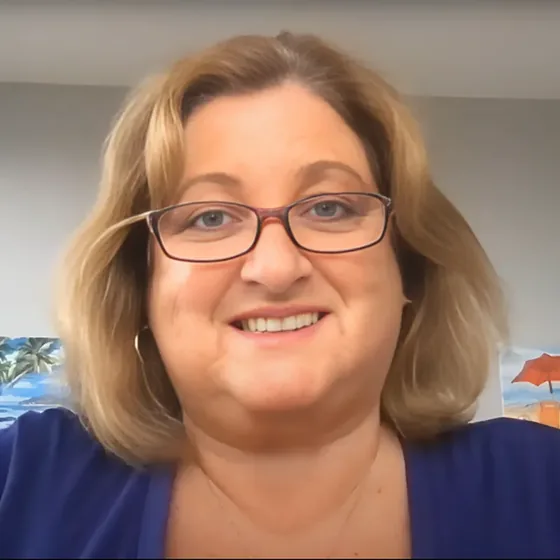 Certified teacher
Literacy, reading and writing, K to grade 6. Dyslexia, ADHD, autism and IEPs.
Connect with Brenda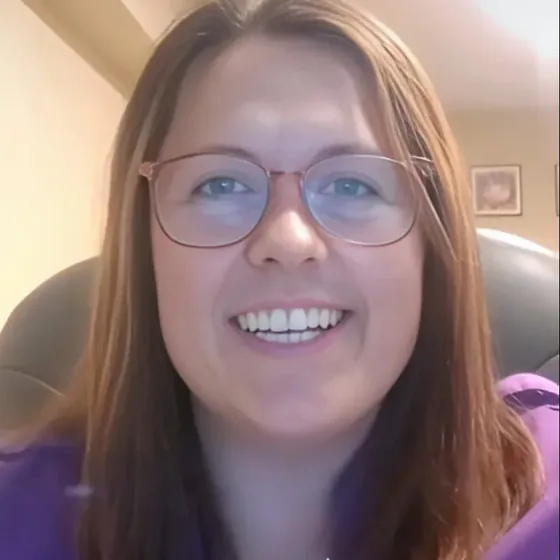 Certified teacher
Reading, writing, science and math, K to grade 12. ADHD, autism, dyslexia and IEPs.
Connect with Erin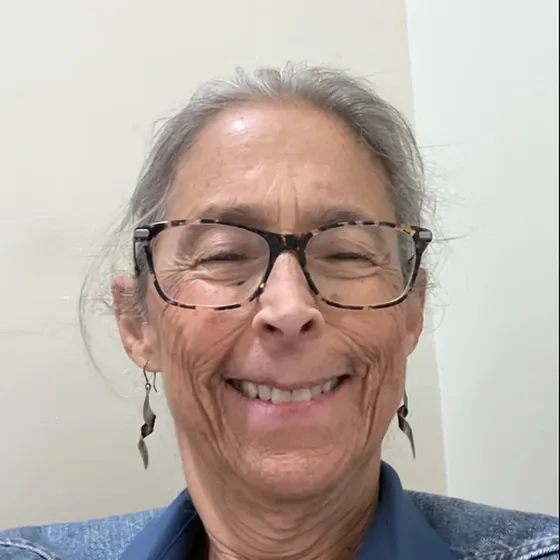 Certified teacher
Reading, writing and math, grades 1 to 5. Bilingual English and Spanish.
Connect with Elisa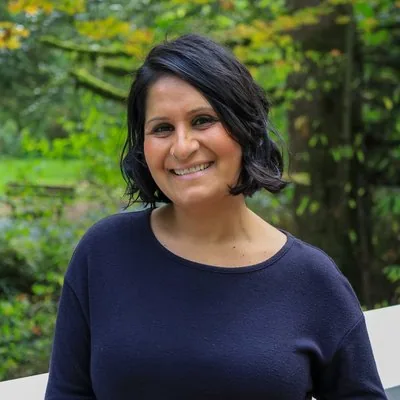 Certified teacher
Reading, writing and healthy active living, K to grade 12.
Connect with Ayktah Certified teacher
Literacy, reading and writing, K to grade 5. ADHD, autism, behavior and IEPs.
Connect with Ravneet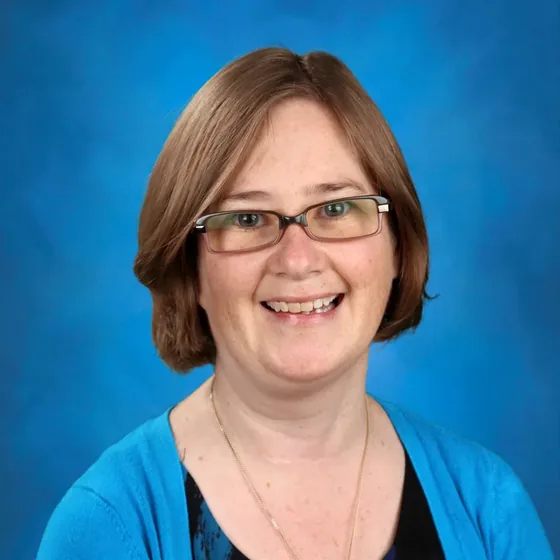 Certified teacher
Reading, writing, literacy and ESL, K to grade 6. Autism, learning disabilities and IEPs.
Connect with Sunny Certified teacher
French as a second language, grades 1 to 6. Behavior support and IEPs.
Connect with Yewa Monique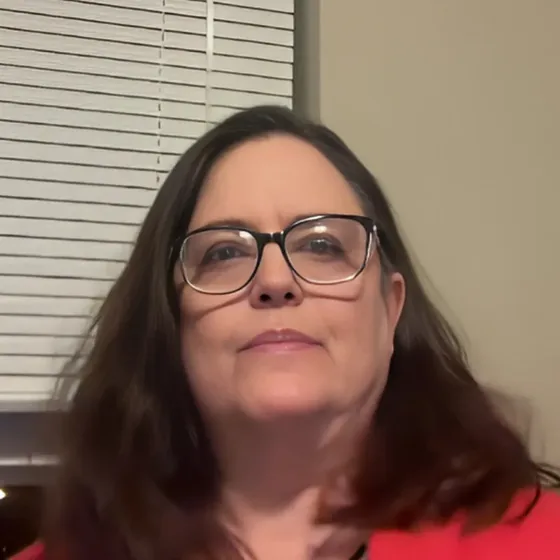 Certified teacher
Reading and math, K to grade 12. ADHD, autism, dyslexia and IEPs.
Connect with Ilana Certified teacher
English, science, reading and math, K to grade 12.
Connect with Sarkis Certified teacher
Reading, writing and speaking skills, K to grade 12. Former college English professor.
Connect with Stephen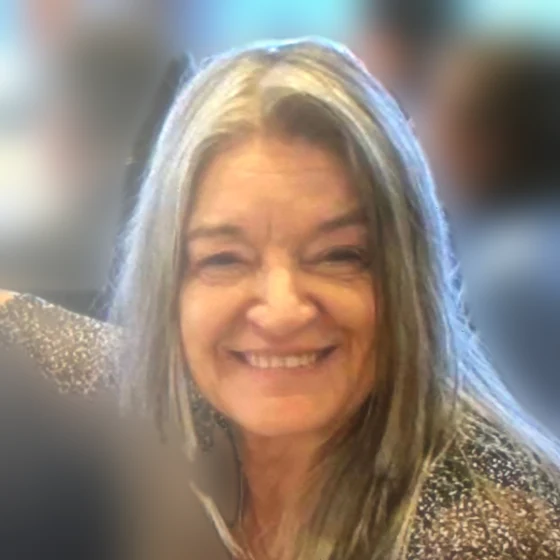 Certified teacher
Reading and math, grades 2 to 12. Deaf and hard of hearing, learning disabilities and IEPs.
Connect with Mary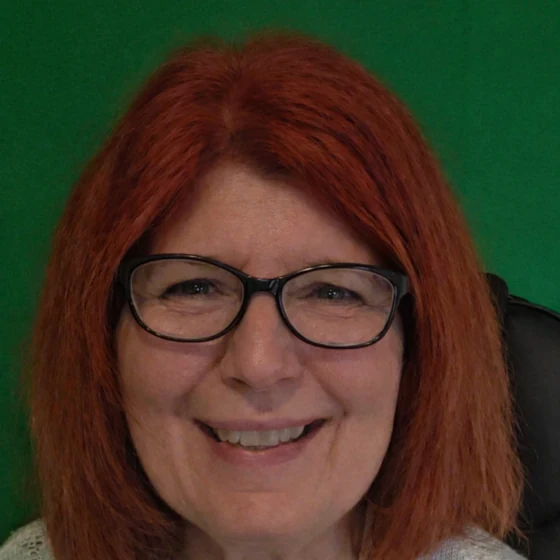 Certified teacher
Reading, writing and science, K to grade 12. ADHD, autism, Down syndrome and IEPs.
Connect with Carol550+ certified, background-checked teachers across Canada already tutor with Connect Education


Questions about matching, scheduling or pricing? Reach us whichever way suits you, and our team will take it from there.
No. The Canadian Paediatric Society says support should begin when a learning difficulty is noticed, not after testing. Many families start while they wait for a psychoeducational assessment, and if a diagnosis comes later, you can share the report with the tutor.
The Canadian Paediatric Society estimates that specific learning disorders, often called learning disabilities, affect 5 to 10 percent of school-age children in Canada (2024). Children with a learning disability have at least average thinking ability, and the right teaching and support can reduce how much it gets in the way.
Yes. A learning disability can affect reading, writing, math or several areas at once, and we have separate pages on dyslexia, dysgraphia and dyscalculia tutoring. If you're not sure which fits, start here and tell us what you see, and we match your child with a tutor who has worked with similar needs.
Yes. Every tutor on Connect Education is a certified teacher, and every profile is checked before it goes live.
Let us know. You can ask for a different teacher, and our team will help you find a better match.
Sign up for free, tell us your child's grade, subjects and schedule, and choose a certified tutor who fits. Lessons happen online, at your home or at a public library.