
Tutoring Services Across Canada

What Ontario's Right to Read report means for your child, and how a certified teacher builds reading skills step by step, online or in person.









In February 2022 the Ontario Human Rights Commission published its Right to Read inquiry report, with 157 recommendations on how schools teach children to read.

The Commission found that many students with reading disabilities, such as dyslexia, were not getting the teaching they needed, and said learning to read is a basic right, not a privilege.

It called for structured, evidence-based teaching of sounds, phonics, decoding and fluency, instead of cueing methods that ask children to guess words from pictures.

It recommended screening all young children twice a year from Kindergarten to Grade 2, so reading difficulties are caught before they grow.

Children who fall behind should get effective reading support right away, without waiting for a formal diagnosis.
Since the report, Ontario has changed how reading is taught and checked in the early grades. Here is what that looks like in your child's classroom.

Since September 2023, the Grades 1 to 8 Language curriculum includes a Foundations of Language strand: sounds, phonics, decoding and fluency are taught explicitly and in order, not left to guessing from pictures.

In Grades 1 to 3, schools must protect at least 150 minutes of explicit, systematic reading instruction in every five-day cycle, taught in daily blocks of at least 30 minutes.

The policy (PPM 168) took effect in September 2023, and since the 2024-25 school year every student in Year 2 of Kindergarten, Grade 1 and Grade 2 is screened with a ministry-approved tool: once before mid-November, and again by mid-March if they were below the benchmark.

Screening results appear on the Kindergarten Communication of Learning or the provincial report card. A result below the benchmark is an early flag, not a diagnosis or a grade, so ask the teacher what extra support comes next.
One-on-one tutoring lessons built on the same skills the report puts first, for families anywhere in Canada.
 Certified teachersOnline, home or library
Your child's teacher finds the exact skill where reading breaks down, then teaches and practises it until it sticks.
The executive summary sets out what the inquiry found and what it recommends, in plain language.
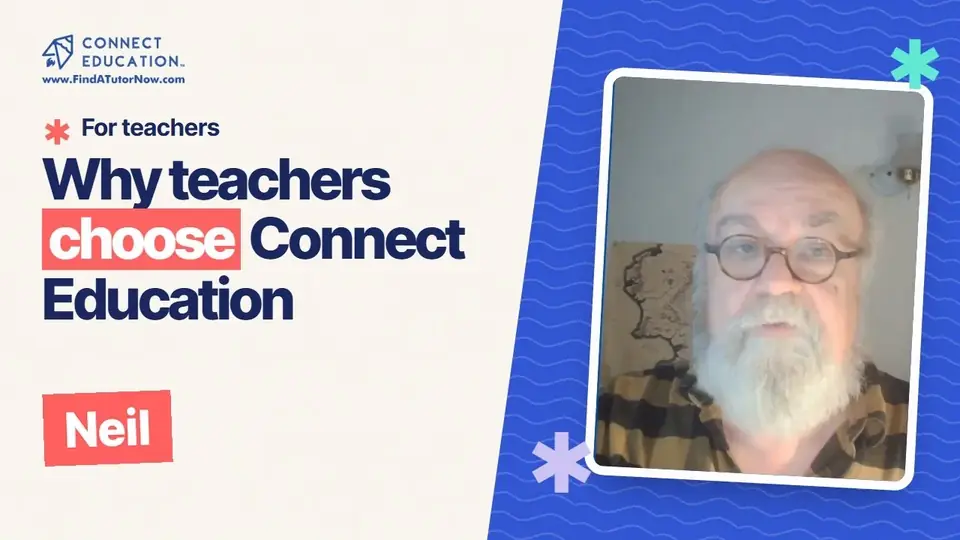
Connect Education handles advertising, payments and logistics in one platform, so teachers can focus on teaching. Neil values the time that frees up for his students, helping them feel relaxed, confident and ready to learn.
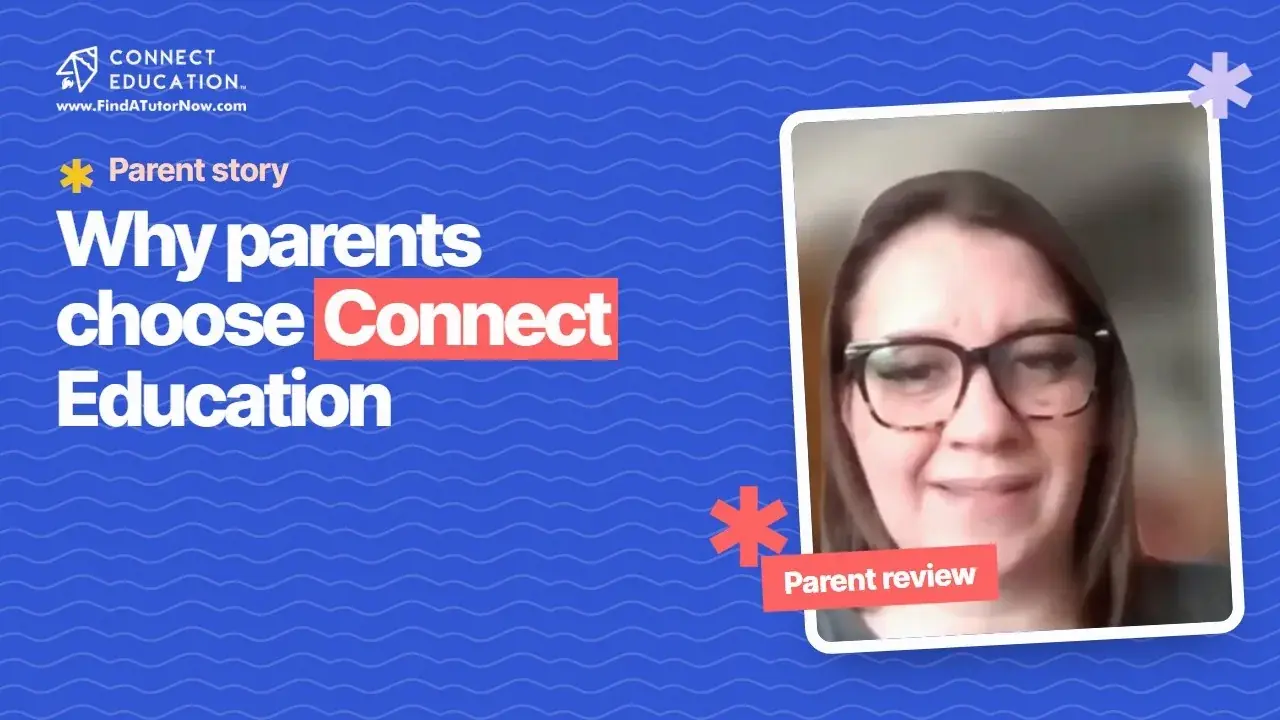
Andrea shares how Connect Education’s flexible tutoring options, like sessions at the local library, fit seamlessly into her family’s schedule. She appreciates the ease of use and the confidence her children have gained through personalized support.
Reading help, guides for parents and the next steps.
 Parent guide: what the report means for your childRight to Read executive summary (OHRC, PDF)Ontario early reading screening (PPM 168)Ontario Language curriculum, Grades 1 to 8Learning Disabilities Association of OntarioDyslexia CanadaWhen your child hates readingUnderstanding Ontario report cardsHow to find a tutor

Questions about matching, scheduling or pricing? Reach us whichever way suits you, and our team will take it from there.
Plain answers about the report, reading screeners and getting help.
 Certified teachersOnline, home or library
It is the Ontario Human Rights Commission's public inquiry into how Ontario schools teach reading, published in February 2022. It found that many students with reading disabilities were not getting evidence-based instruction, and it made 157 recommendations to the Ministry of Education, school boards and faculties of education.
Structured literacy teaches reading step by step: the sounds in words, how letters match those sounds, decoding, then fluency and comprehension. Each skill is taught directly and practised until it sticks, instead of asking children to guess words from pictures or context.
A screener flags a risk, not a diagnosis. Ask the school what support it will provide, and consider extra practice with a certified teacher who can work on the exact skills the screener measured, such as letter sounds and decoding.
Yes. Many of our teachers have special education experience, including dyslexia. They use structured, multisensory methods and can follow your child's IEP and classroom accommodations. A tutor does not diagnose dyslexia; a formal assessment comes from a psychologist or another qualified professional.
No. Connect Education works with families across Canada. The Right to Read report is from Ontario, but the reading skills it focuses on are the same everywhere, and our teachers follow your province's curriculum.
One-on-one with a licensed teacher, online, at your home or at a public library. You choose the teacher, the schedule and the format.