virtual or in-person

Dysgraphia tutoring
When writing is slow, painful or nothing like what your child can say out loud, choose a certified teacher who can help with handwriting, spelling and getting ideas onto the page. Online, at your home or at a public library.


You choose the tutor







550+ certified, background-checked educators

Every tutor is a certified teacher

255+ specialists for IEPs, ADHD, ASD and Dyslexia

Online, in person, or at your local library

Kindergarten to Grade 12

Trusted by families across Canada

ESL and FSL support
550+ certified, background-checked educators
Every tutor is a certified teacher
255+ specialists for IEPs, ADHD, ASD and Dyslexia
Online, in person, or at your local library
Kindergarten to Grade 12
Trusted by families across Canada
ESL and FSL support
A learning disability in writing is identified through a psychoeducational assessment, usually by a psychologist, often with input from an occupational therapist. A tutor helps with what you see at homework time, with or without a diagnosis.

A few sentences take the whole evening, and your child's hand gets sore or tired long before the work is done.

Letters change size, words run together or drift off the line, even when your child really takes their time.

Your child can tell you a great story out loud, but only a sentence or two ever lands on the page.

Your child stalls, erases until the paper tears or says they hate writing, and it looks like won't when it's really can't.



Not sure where to start?
Talk to your family doctor, pediatrician or your child's teacher. These Canadian organizations explain the signs and how to work with your child's school:
Look for a tutor who teaches writing skills step by step: letter formation or typing, spelling patterns, and planning before drafting. Fine motor work, like grip and hand strength, belongs with an occupational therapist.
Your child's letters may be hard to read, uneven in size, or slow and tiring to form. A tutor can practise letter formation in related groups, with cues for size and spacing. Ask for short, regular practice rather than long copying sessions, so writing gets easier without wearing your child out.
Your child may spell the same word three different ways on one page. Look for a tutor who teaches spelling patterns one at a time, so your child relies less on memorizing whole words. You can ask for a simple proofreading checklist your child can use on their own.
Your child can tell a great story out loud, then write only two short sentences. A tutor can start with talking, then planning, using graphic organizers, story maps and outlines. Ask the tutor to work on drafting in stages, so the thinking doesn't get lost on the way to paper.
When handwriting slows your child down, tools can help them show what they know. A tutor can help with keyboarding practice, speech-to-text, word prediction and spellcheck. Share the tools listed in your child's IEP and ask the tutor to practise with those, so they feel familiar at school.
Wherever your child focuses best: online, at your home, or in a quiet study room at a public library.

A quiet study room gives structure without the distractions of home. Meet in an open study area or a booked room.
Find a tutor near you
Online lessons work anywhere with no travel time. For lessons at home, we match you with a certified tutor who lives nearby.
Find your tutorSign up for free, add dysgraphia or writing to your child's needs, and choose a tutor who has worked with learning disabilities in writing.

550+
Certified, background-checked educators, virtually or in person
255+
Specialists in ADHD, ASD, IEPs, dyslexia and other special education needs
3 ways
Learn online, at home, or at your local library, on your budget and schedule

Mom-led
Founded by a mom and teacher, trusted by families across Canada
Signing up is free. Each certified teacher sets their own rate, and you see it before you book.



Want the full picture? Read how much tutoring costs in Canada.
The focus moves from forming letters to planning longer pieces and using tools well, and you can ask the tutor to adjust as your child's schoolwork changes.
Sign Up for Free & Find Your TutorFree to sign up. Online, at your home or at a public library.
Letter formation, early spelling patterns and short sentences, practised a little at a time before tiring habits set in.
Paragraphs, planning with graphic organizers, keyboarding, and getting comfortable with speech-to-text for longer assignments.
Essays, notes and tests: outlining, editing, and using IEP accommodations like extra time and assistive technology with confidence.
Planning written assignments, using assistive tools independently, and knowing which accommodations to ask for at college or university.
 You set the budget
 Times that suit youOnline, home or libraryMatched to learning needs
We were started by a mom and a teacher who wanted finding a great tutor to be simple, safe and affordable. Today we help families across Canada do just that.
Certified teachers, registered ECEs and other qualified educators, each reviewed before they tutor.
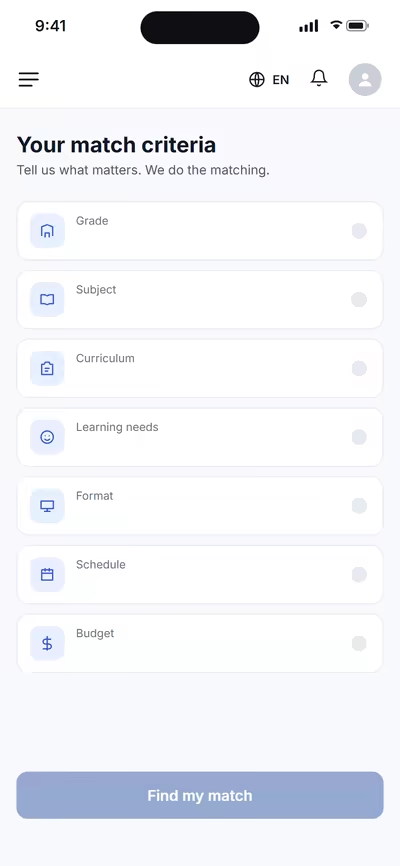
Share the grade, subject, curriculum, learning needs and schedule, and we show you teachers who fit.

Teachers set their rates and you pick one that fits your budget. You only pay for the lessons you book.
Choose online lessons, home visits or your local public library. Message your teacher and see every lesson in one app.
Certified teachers, including retired classroom teachers and ESL and FSL specialists.

 Certified teacher
Reading, writing and geography, grades 3 to 12.
Connect with Neil Certified teacher
Reading, writing and science, K to grade 8. ADHD, autism, learning disabilities and IEPs.
Connect with Anna Certified teacher
Elementary teacher for Grades 1 to 6, helping kids get stronger and more confident in math, reading and writing.
Connect with Rob Certified teacher
Science, math and physics, grades 9 to 11.
Connect with Dr. Richard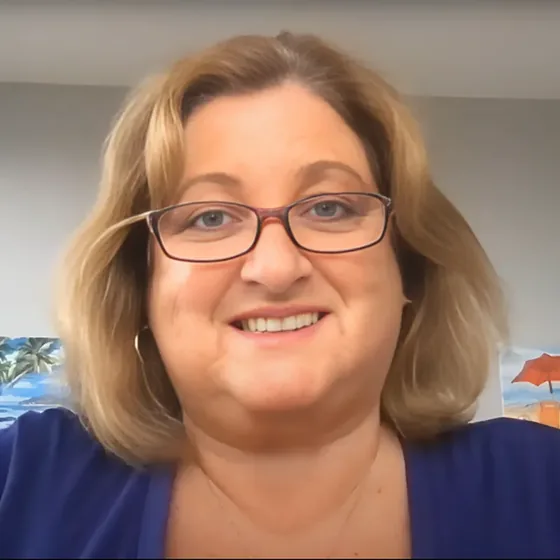 Certified teacher
Literacy, reading and writing, K to grade 6. Dyslexia, ADHD, autism and IEPs.
Connect with Brenda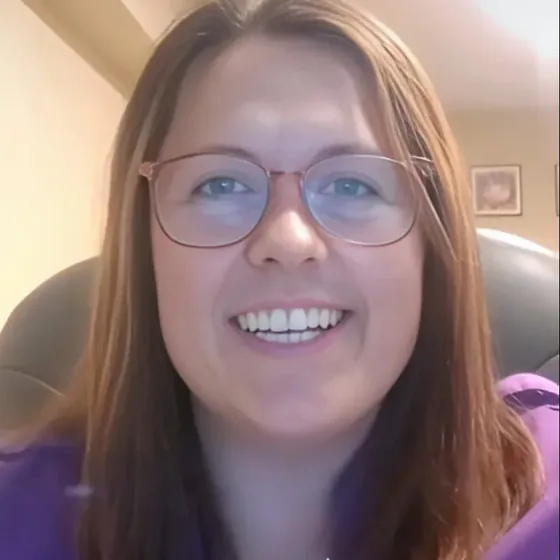 Certified teacher
Reading, writing, science and math, K to grade 12. ADHD, autism, dyslexia and IEPs.
Connect with Erin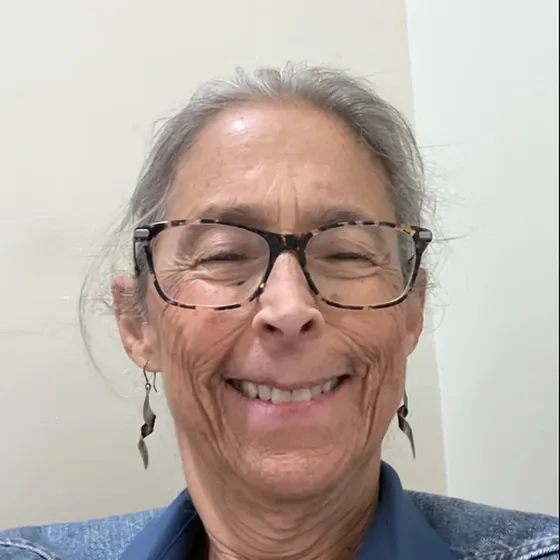 Certified teacher
Reading, writing and math, grades 1 to 5. Bilingual English and Spanish.
Connect with Elisa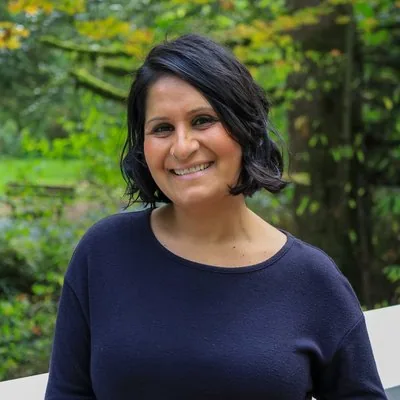 Certified teacher
Reading, writing and healthy active living, K to grade 12.
Connect with Ayktah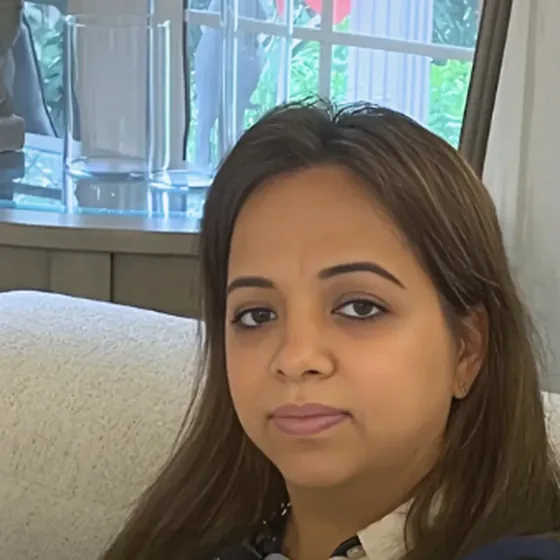 Certified teacher
Literacy, reading and writing, K to grade 5. ADHD, autism, behavior and IEPs.
Connect with Ravneet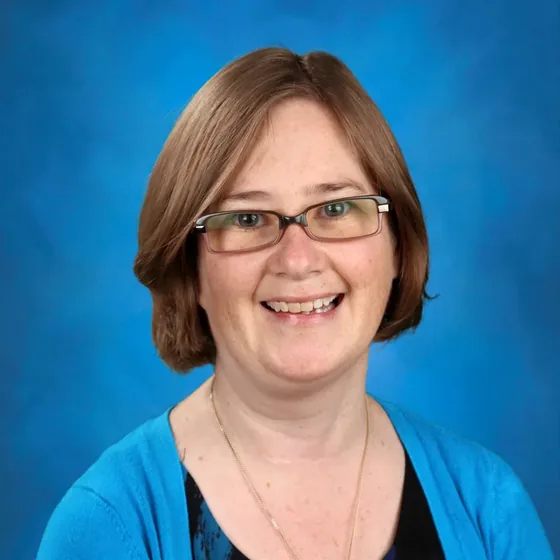 Certified teacher
Reading, writing, literacy and ESL, K to grade 6. Autism, learning disabilities and IEPs.
Connect with Sunny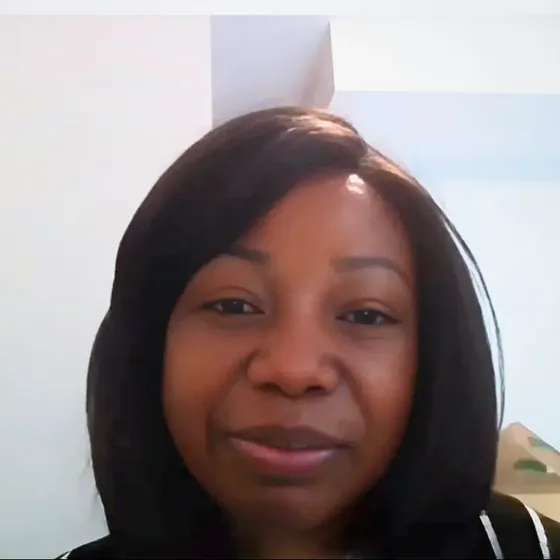 Certified teacher
French as a second language, grades 1 to 6. Behavior support and IEPs.
Connect with Yewa Monique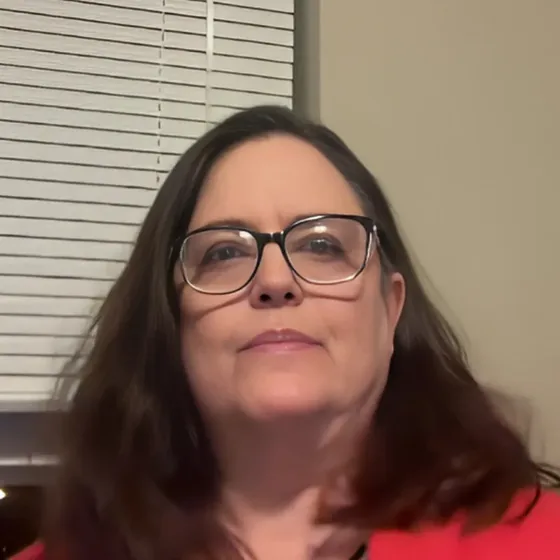 Certified teacher
Reading and math, K to grade 12. ADHD, autism, dyslexia and IEPs.
Connect with Ilana Certified teacher
English, science, reading and math, K to grade 12.
Connect with Sarkis Certified teacher
Reading, writing and speaking skills, K to grade 12. Former college English professor.
Connect with Stephen Certified teacher
Reading and math, grades 2 to 12. Deaf and hard of hearing, learning disabilities and IEPs.
Connect with Mary Certified teacher
Reading, writing and science, K to grade 12. ADHD, autism, Down syndrome and IEPs.
Connect with Carol550+ certified, background-checked teachers across Canada already tutor with Connect Education


Questions about matching, scheduling or pricing? Reach us whichever way suits you, and our team will take it from there.

No. Many families start while they wait for an assessment, and the Canadian Paediatric Society notes that in many regions children can wait two years or more for testing through school (2024). Tell us what you see at homework time, and we match you with a tutor who has worked with similar writing needs.
No. An occupational therapist works on fine motor skills like grip, hand strength and pencil control. A certified teacher works on the writing itself: letter formation practice, spelling, planning, typing and using tools. Many children benefit from both, and you can ask the tutor to follow the therapist's suggestions.
Often it's both. Typing and speech-to-text let your child show what they know, while some handwriting practice keeps everyday writing readable. Share your child's IEP and the school's accommodations, and decide with the tutor what fits each task.
Yes. Every tutor on Connect Education is a certified teacher, and every profile is checked before it goes live.
Let us know. You can ask for a different teacher, and our team will help you find a better match.
Sign up for free, tell us your child's grade, subjects and schedule, and choose a certified tutor who fits. Lessons happen online, at your home or at a public library.